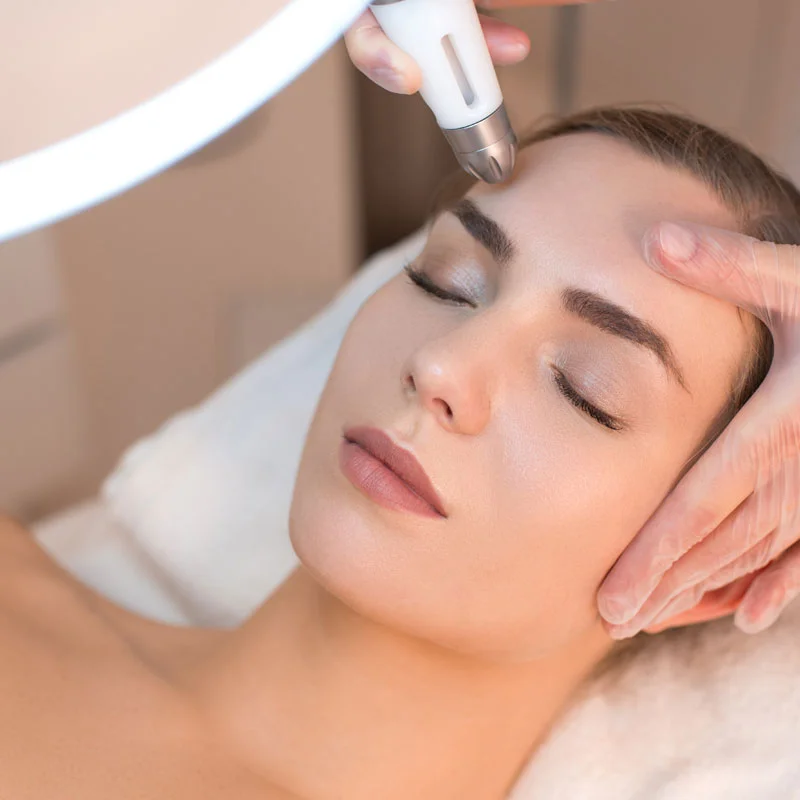
Hyperpigmentation is a common skin concern that can affect people of all ages and skin types. It occurs when certain areas of the skin produce excess melanin, creating darker patches, spots, or uneven skin tone. Sun exposure, acne, hormonal changes, inflammation, aging, and certain medications can all contribute to pigmentation problems. While topical creams and professional skincare treatments may help improve discoloration, many people consider laser procedures when they want a more targeted approach. However, before choosing Laser Treatments for Hyperpigmentation, it is important to understand how these treatments work, what results to expect, and what risks may be involved.
Understanding Hyperpigmentation Before Treatment
Hyperpigmentation is not a single condition. It can appear in several forms, including sunspots, post-inflammatory hyperpigmentation, melasma, and age-related pigmentation. Each type can respond differently to treatment. For example, pigmentation caused by sun damage may respond well to certain laser technologies, while melasma can be more complicated and may sometimes become worse after aggressive procedures.
This is why identifying the underlying cause of discoloration is an essential first step. A qualified dermatologist or experienced skin specialist can examine your skin, review your medical history, and determine whether laser treatment is suitable. In some cases, the provider may recommend topical products or other treatments before considering a laser procedure.
How Laser Treatments for Hyperpigmentation Work
Laser treatments use concentrated energy to target unwanted pigmentation in the skin. Depending on the technology used, the laser energy may break down excess melanin or encourage the skin to shed damaged pigmented cells. The body’s natural healing process can then help create a more even-looking complexion.
Different lasers operate at different wavelengths and depths. Some are designed to address superficial pigmentation, while others can reach deeper layers of the skin. The appropriate option depends on factors such as the type of pigmentation, skin tone, treatment area, and overall skin condition.
Common technologies used for pigmentation concerns may include Q-switched lasers, picosecond lasers, fractional lasers, and other specialized systems. However, the best treatment is not necessarily the newest or most powerful laser. Choosing the right technology and settings for your individual skin is often more important than selecting a particular brand or device.
Why Skin Type Matters
One of the most important considerations before undergoing laser treatment is your natural skin tone. People with darker skin may have a higher risk of developing post-inflammatory hyperpigmentation after certain laser procedures. This happens because the skin can respond to heat or irritation by producing additional melanin.
This does not mean that people with darker skin cannot undergo laser procedures. Instead, treatment should be carefully customized. A qualified professional may choose a different laser, lower energy settings, or a more gradual treatment plan to reduce potential complications.
During your consultation, ask your provider about their experience treating patients with your specific skin tone. Experience and appropriate treatment planning can make an important difference in minimizing unwanted pigmentation changes.
The Importance of a Professional Consultation
A consultation should always take place before beginning Laser Treatments for Hyperpigmentation. During this appointment, your provider should evaluate the pigmentation and discuss your expectations. You should also provide information about your skincare routine, medications, previous cosmetic treatments, allergies, and any history of unusual skin reactions.
The provider may ask questions about when the pigmentation first appeared and whether it changes over time. This information can help determine whether laser treatment is appropriate or whether another approach may be better.
A professional consultation is also an opportunity to discuss potential side effects. Depending on the treatment, you may experience temporary redness, swelling, sensitivity, dryness, or changes in skin color. More serious complications are possible, particularly when treatments are performed incorrectly or on unsuitable candidates.
What to Expect During the Procedure
The experience of laser treatment varies depending on the technology and treatment area. Some procedures may feel like small snapping sensations against the skin, while others may create a warming or prickling feeling. A topical numbing cream may be used when appropriate to improve comfort.
The length of a session depends on the size of the area being treated. Smaller areas may take only a short time, while larger areas can require longer appointments. Your provider should explain the expected treatment process before beginning.
After treatment, the skin may look red or slightly swollen. Some procedures may cause temporary darkening or peeling of pigmented areas as the skin responds to the treatment. It is important not to pick, scratch, or aggressively exfoliate treated areas during recovery.
Recovery and Aftercare
Proper aftercare is essential for achieving the best possible results. Your provider may recommend gentle cleansing, moisturizing, and avoiding irritating skincare products for a certain period. Depending on the treatment, you may need to temporarily avoid ingredients such as strong exfoliating acids or retinoids.
Sun protection is especially important. Ultraviolet exposure can stimulate melanin production and contribute to the return or worsening of pigmentation. Wearing a broad-spectrum sunscreen and limiting direct sun exposure can help protect the treated skin.
Following aftercare instructions carefully can also reduce the risk of irritation and unwanted pigmentation changes. If your provider recommends a specific skincare routine, follow it consistently rather than introducing multiple new products during the recovery period.
Results May Take Time
It is important to have realistic expectations when considering Laser Treatments for Hyperpigmentation. Some people may notice improvement after one session, while others require several treatments. The number of sessions depends on the type and depth of pigmentation, the laser technology used, and how the individual’s skin responds.
Pigmentation may also return over time, particularly when the underlying cause is ongoing. For example, continued sun exposure can contribute to new sunspots, while hormonal factors may influence melasma. Laser treatment can improve the appearance of discoloration, but it does not always eliminate the factors responsible for pigmentation.
Your provider may recommend combining laser procedures with other approaches, such as prescription creams, medical-grade skincare, chemical peels, or strict sun protection. A combination approach may provide better long-term management for certain types of pigmentation.
Understanding Potential Risks
Like any cosmetic procedure, laser treatment carries potential risks. Temporary redness, swelling, sensitivity, and irritation are relatively common. In some cases, the skin may become lighter or darker after treatment. Blistering, scarring, or infection can occur less commonly.
The risk profile depends on the laser technology, treatment settings, skin type, and experience of the provider. Choosing a qualified professional and following pre-treatment and aftercare instructions can help reduce unnecessary risks.
You should also be cautious about receiving treatment from providers who promise guaranteed results. Skin pigmentation can be complex, and individual responses vary. A trustworthy professional should explain both the potential benefits and limitations of treatment.
Questions to Ask Before Choosing Treatment
Before scheduling a procedure, consider asking your provider several important questions. Ask what type of pigmentation you have, which laser technology they recommend, how many sessions you may need, and what kind of results are realistic.
You can also ask about expected downtime, possible side effects, aftercare requirements, and the provider’s experience treating patients with your skin tone. Understanding these details can help you make a more informed decision.
It is also worth discussing alternative treatments. Laser procedures are not always the first or best option for every pigmentation concern. In some cases, a carefully planned skincare regimen may provide meaningful improvement with less downtime.
Making an Informed Decision
Choosing Laser Treatments for Hyperpigmentation should be a carefully considered decision rather than a quick cosmetic choice. The most suitable treatment depends on the type of pigmentation, your skin tone, medical history, lifestyle, and expectations.
A professional evaluation can help identify the cause of discoloration and determine whether laser treatment is appropriate. By understanding the procedure, potential risks, recovery process, and importance of sun protection, you can approach treatment with realistic expectations.
Ultimately, successful pigmentation management often requires patience and consistency. Laser treatment may provide noticeable improvement for many people, but maintaining results usually involves protecting the skin from ultraviolet exposure and following an appropriate long-term skincare plan. Taking time to research your options and choosing an experienced, qualified provider can help you make a safer and more informed decision about whether laser treatment is right for your skin.