Hurricanes can disrupt everyday life in a matter of hours. Strong winds, flooding, falling trees, and damage to electrical infrastructure can leave homes and businesses without power for extended periods. Because electricity is essential for communication, refrigeration, lighting, medical equipment, and other household needs, preparing for an outage before a storm arrives is an important part of emergency planning. A reliable battery backup for hurricane outages can provide an additional layer of security, helping households maintain access to essential devices when the electrical grid is unavailable.
Why Hurricane Power Outages Require Preparation
Hurricane-related power outages can last much longer than ordinary electrical interruptions. Utility crews may need to repair damaged transmission lines, substations, and local distribution systems before electricity can be restored. In some areas, flooding and blocked roads can also delay repair work.
Preparing in advance allows families to identify their most important electrical needs. Rather than trying to power every appliance in the home, it is usually more practical to focus on critical devices. These may include smartphones, emergency radios, LED lights, Wi-Fi equipment, laptops, medical devices, and small refrigeration units.
A well-planned backup system can help reduce stress during an emergency. It also gives households more flexibility if the outage continues for several days.
Choosing the Right Battery Backup System
The best backup solution depends on how much electricity you need and how long you expect to remain without grid power. Portable power stations, home battery systems, and smaller backup batteries can all serve different purposes.
For basic emergency needs, a compact battery unit may be enough to recharge phones, tablets, flashlights, and other small electronics. Larger power stations can support additional equipment, including laptops, routers, fans, and selected household appliances.
When comparing options, pay attention to both battery capacity and output power. Capacity is generally measured in watt-hours and indicates how much stored energy the battery can provide. Output power, measured in watts, determines which devices the system can operate.
For example, a device with a high power requirement may not work with a small battery even if the battery has sufficient overall capacity. Understanding these specifications can help you select equipment that matches your emergency requirements.
Calculate Your Essential Power Needs
Before purchasing a backup battery, create a simple list of the devices you may need during a hurricane outage. Write down the wattage of each device and estimate how many hours per day you expect to use it.
For example, you might prioritize:
- Smartphones and tablets
- Emergency communication equipment
- LED lights
- Wi-Fi routers
- Laptops
- Fans
- Small medical devices
- Refrigerators or freezers
Once you know your estimated energy consumption, you can choose a battery with an appropriate capacity. Remember that actual battery performance can vary depending on factors such as device efficiency, inverter losses, battery age, and operating conditions.
It is also wise to include some extra capacity rather than choosing a system that barely meets your calculated needs. During an emergency, you may discover that additional devices require power.
Keep Your Battery Fully Charged Before the Storm
A backup battery is only useful if it has enough stored energy when the power goes out. Before a hurricane approaches, check the weather forecast and charge your battery system as early as possible.
Severe weather can cause power interruptions before the storm reaches its strongest point. Charging in advance gives you a better chance of having energy available when you need it.
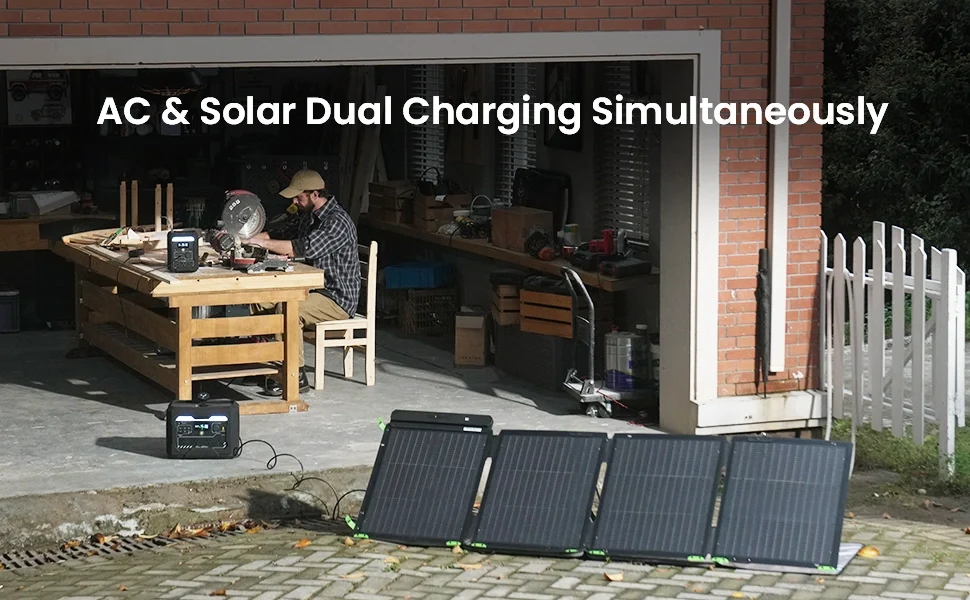
If your system supports multiple charging methods, learn how each option works. Some battery systems can be charged through standard electrical outlets, vehicle charging systems, or compatible solar panels. Having multiple charging options can be particularly helpful during longer outages.
Consider Solar Charging Capabilities
A battery backup can eventually run out of stored energy, especially when used continuously. Solar charging may provide a useful way to replenish the battery when grid electricity is unavailable.
Portable solar panels can be paired with compatible power stations to generate electricity during daylight hours. However, hurricane conditions may bring heavy cloud cover and rain, which can reduce solar production. For this reason, solar charging should generally be viewed as a supplementary solution rather than the only emergency power source.
If you plan to use solar panels, test the complete setup before hurricane season. Make sure you understand how to position the panels and connect them safely to the battery system.
Protect Your Backup Equipment
Emergency equipment should be stored in a safe, dry location before and during a storm. Many battery systems are not designed to be exposed to rain, flooding, or excessive moisture.
If flooding is possible, keep the battery and related equipment well above potential water levels. Avoid storing valuable electrical equipment in basements or other areas that may become flooded.
Extreme temperatures can also affect battery performance. Follow the manufacturer’s storage and operating recommendations, particularly if the equipment will remain unused for long periods.
Create a Power Priority List
During an extended outage, it is important to manage available energy carefully. A priority list can help you decide which devices should receive power first.
Communication devices should usually be near the top of the list. Keeping phones charged allows you to receive emergency alerts and communicate with family members. Lighting is another important consideration, especially at night.
Other equipment should be used according to necessity. Instead of leaving devices connected continuously, charge them when required and disconnect them afterward. Turning off unnecessary features, lowering screen brightness, and using energy-saving modes can also extend battery life.
Prepare for Communication and Emergency Alerts
Hurricanes can create rapidly changing conditions, so communication is a major part of emergency preparedness. Keep phones, radios, and other communication devices ready for use.
A battery backup for hurricane outages can help ensure that important electronics remain operational when traditional charging sources are unavailable. Consider keeping charging cables for different devices together in one clearly labeled emergency kit.
It is also useful to have backup communication methods. A battery-powered or hand-crank emergency radio can provide access to weather information and official alerts if internet or cellular services become unreliable.
Build a Complete Hurricane Emergency Kit
Battery backup should be only one part of a broader emergency plan. Your hurricane preparedness kit may also include drinking water, nonperishable food, flashlights, spare batteries, first-aid supplies, essential medications, important documents, and basic hygiene products.
Store these supplies where they are easy to access. Everyone in the household should know where emergency equipment is kept and how to use it.
If you have children, older family members, pets, or anyone with special needs, include their specific requirements in your planning. A detailed plan can make it easier to respond calmly when normal services are disrupted.
Test Your Backup Plan Before Hurricane Season
Waiting until a storm is approaching is not the best time to discover that your backup equipment is incompatible with your devices. Test your battery system in advance and confirm that it can power the equipment you consider essential.
Check charging cables, adapters, connectors, and solar equipment if applicable. Inspect the battery for signs of damage and follow the manufacturer’s maintenance recommendations.
You should also review your emergency plan periodically. Hurricane preparedness is most effective when everyone understands what to do, where supplies are located, and how electricity will be managed during an outage.
Final Thoughts on Hurricane Power Preparedness
A hurricane can create challenging conditions, but advance planning can make an extended power outage easier to manage. Selecting an appropriate battery backup for hurricane outages, calculating your essential energy requirements, keeping equipment charged, and protecting your backup system are all practical steps toward greater preparedness.
The goal is not necessarily to keep every appliance running throughout an outage. Instead, focus on maintaining access to essential communication, lighting, information, and critical equipment. By combining a suitable battery backup system with a complete emergency kit and a well-practiced household plan, you can be better prepared to handle power disruptions when severe weather strikes.