Introduction
Above-Ground Storage Tank Design plays a critical role in industries that store liquids such as water, oil, chemicals, fuels, and other industrial products. A well-designed storage tank ensures operational efficiency, environmental protection, and long-term reliability while reducing maintenance costs. Whether used in petrochemical plants, manufacturing facilities, water treatment plants, or agricultural operations, storage tanks must be engineered to meet strict safety standards and operational requirements.
Modern Above-Ground Storage Tank Design involves much more than selecting a tank size. Engineers must consider factors such as material selection, structural integrity, environmental conditions, corrosion protection, foundation design, and applicable industry codes. Every design decision influences the tank’s durability, safety, and overall lifecycle cost.
This article explores the essential factors involved in designing above-ground storage tanks and explains how proper engineering contributes to safe, durable, and cost-effective storage solutions.
Understanding Above-Ground Storage Tanks
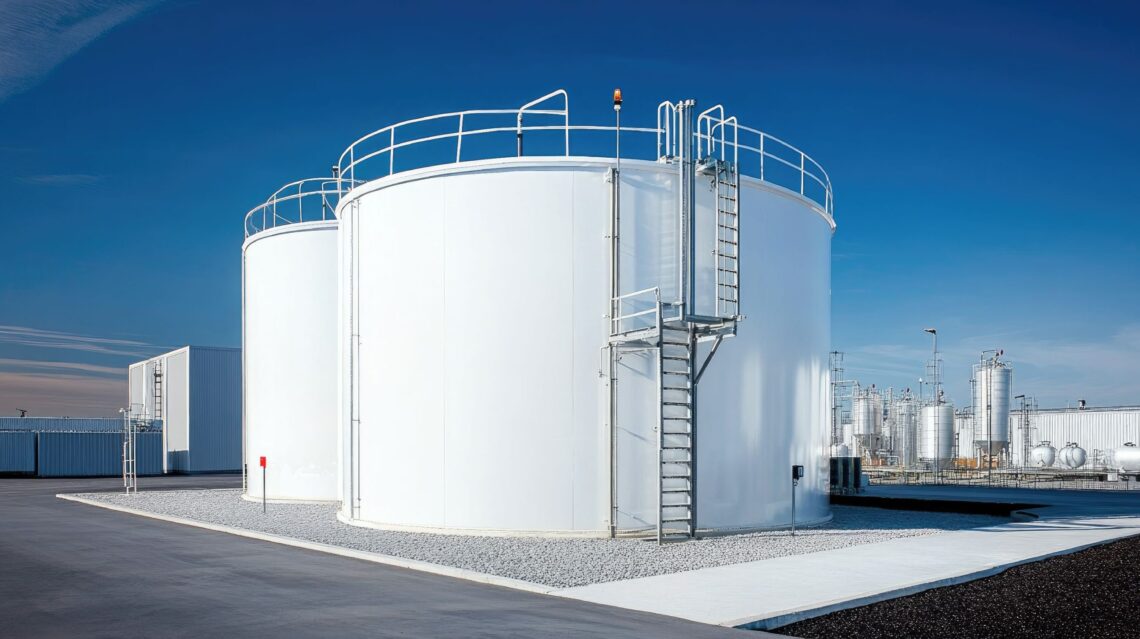
Above-ground storage tanks (ASTs) are large containers installed above the surface to store liquids and sometimes gases under atmospheric or low-pressure conditions. They are commonly found in industries including:
- Oil and gas
- Chemical processing
- Water treatment
- Food and beverage
- Agriculture
- Mining
- Power generation
Unlike underground tanks, above-ground tanks provide easier inspection, maintenance, and leak detection. However, they are directly exposed to weather, wind, seismic activity, and temperature fluctuations, making proper engineering essential.
Importance of Professional Above-Ground Storage Tank Design
A professionally engineered Above-Ground Storage Tank Design minimizes operational risks while maximizing performance. Poor design may lead to structural failures, excessive maintenance costs, environmental contamination, or regulatory violations.
Professional tank design provides several benefits:
- Improved structural safety
- Longer service life
- Reduced maintenance requirements
- Lower operating costs
- Compliance with international standards
- Better environmental protection
- Increased operational reliability
Investing in proper engineering during the design stage often prevents expensive repairs and operational downtime later.
Material Selection
Choosing the right construction material is one of the most important aspects of tank design.
Common materials include:
Carbon Steel
Carbon steel is widely used because it offers excellent strength, affordability, and ease of fabrication. It is suitable for petroleum products, water, and many industrial liquids when properly protected against corrosion.
Stainless Steel
Stainless steel provides superior corrosion resistance and is commonly selected for food processing, pharmaceuticals, and aggressive chemicals.
Aluminum
Aluminum offers lightweight construction and excellent corrosion resistance, making it suitable for specific industrial applications.
Specialized Alloys
Certain chemicals require nickel alloys or other specialized metals that resist corrosion under extreme operating conditions.
Material selection depends on:
- Stored product
- Operating temperature
- Corrosion potential
- Pressure conditions
- Budget
- Expected service life
Tank Capacity and Dimensions
Determining the correct tank capacity is essential for operational efficiency.
Engineers evaluate:
- Daily storage requirements
- Future expansion
- Filling frequency
- Product turnover
- Emergency reserve capacity
Tank diameter and height directly affect structural behavior, foundation loads, fabrication costs, and transportation requirements.
Oversized tanks increase construction costs, while undersized tanks may interrupt production. Finding the right balance is a key objective of successful engineering.
Foundation Design
Even the strongest tank will fail if built on a poorly designed foundation.
Foundation engineers analyze:
- Soil bearing capacity
- Settlement characteristics
- Groundwater conditions
- Frost depth
- Drainage
- Earthquake risks
Common foundation types include:
- Concrete ring walls
- Reinforced concrete slabs
- Gravel foundations
- Pile-supported foundations
Proper foundations distribute loads evenly and minimize differential settlement that could damage the tank shell.
Structural Design Considerations
Structural integrity is at the heart of every storage tank project.
Engineers calculate stresses caused by:
- Liquid pressure
- Wind loads
- Seismic forces
- Roof loads
- Snow accumulation
- Thermal expansion
- Vacuum conditions
Advanced engineering software helps simulate operating conditions and identify potential structural weaknesses before construction begins.
Proper structural calculations ensure safe operation throughout the tank’s design life.
Corrosion Protection
Corrosion is one of the leading causes of storage tank deterioration.
Effective corrosion protection includes:
Protective Coatings
High-performance coatings protect steel surfaces from moisture and chemical attack.
Cathodic Protection
Electrochemical systems significantly reduce corrosion in tank bottoms and underground components.
Corrosion Allowance
Additional metal thickness is included during design to compensate for expected material loss over time.
Regular Inspection
Routine inspections identify early signs of corrosion before major damage occurs.
A comprehensive corrosion management strategy significantly extends tank lifespan.
Roof Design Options
Storage tanks utilize different roof configurations depending on the stored product.
Fixed Roof Tanks
Suitable for water, oils, and many industrial liquids with low vapor pressure.
Floating Roof Tanks
Floating roofs minimize vapor emissions and reduce product evaporation, making them ideal for petroleum storage.
Dome Roofs
Geodesic dome roofs improve structural efficiency while protecting products from weather exposure.
Selecting the appropriate roof type improves operational efficiency while reducing environmental emissions.
Safety Features
Modern storage tanks incorporate multiple safety systems to protect workers, facilities, and the environment.
Important safety features include:
- Emergency vents
- Pressure relief devices
- Overflow protection
- Fire protection systems
- Leak detection
- Level monitoring
- Access ladders
- Safety platforms
- Lightning protection
- Grounding systems
These features reduce operational risks and improve emergency response capabilities.
Environmental Considerations
Environmental regulations continue to become more stringent across industries.
Responsible tank design includes:
- Secondary containment systems
- Spill prevention measures
- Vapor recovery systems
- Stormwater management
- Emission reduction technologies
- Leak monitoring equipment
Environmentally responsible engineering protects nearby communities while ensuring regulatory compliance.
Applicable Design Standards
Professional engineers follow internationally recognized design codes when developing storage tanks.
Common standards include:
- API 650
- API 620
- API 653
- ASME standards
- AWWA standards
- Local building codes
- Environmental regulations
Compliance ensures consistent safety, quality, and regulatory acceptance.
Inspection and Maintenance Planning
Effective engineering considers maintenance throughout the tank’s lifecycle.
A maintenance plan typically includes:
- Visual inspections
- Ultrasonic thickness testing
- Roof inspections
- Foundation monitoring
- Weld examinations
- Corrosion assessments
- Settlement measurements
- Coating inspections
Routine maintenance reduces repair costs while improving long-term reliability.
Cost Optimization Without Sacrificing Safety
One objective of successful Above-Ground Storage Tank Design is achieving the lowest lifecycle cost rather than simply minimizing initial construction expenses.
Engineers optimize costs through:
- Efficient material utilization
- Standardized designs
- Proper corrosion protection
- Durable coatings
- Optimized foundation systems
- Reduced maintenance requirements
- Energy-efficient accessories
Although higher-quality materials may increase initial costs, they often produce substantial long-term savings through reduced maintenance and longer service life.
Advances in Modern Tank Engineering
Technology continues to improve storage tank performance.
Recent innovations include:
- 3D engineering models
- Finite element analysis
- Laser scanning
- Drone inspections
- Automated welding
- Smart level monitoring
- Remote structural health monitoring
- Predictive maintenance systems
These technologies improve design accuracy while reducing construction risks and maintenance costs.
Choosing Experienced Engineering Professionals
Successful projects depend heavily on experienced engineering teams.
Qualified designers understand:
- Industry regulations
- Structural analysis
- Material behavior
- Fabrication methods
- Inspection requirements
- Corrosion engineering
- Environmental compliance
- Safety management
Experienced professionals also coordinate effectively with fabricators, inspectors, contractors, and regulatory authorities throughout the project.
Conclusion
A well-executed Above-Ground Storage Tank Design is essential for ensuring safe, durable, and cost-effective storage across numerous industries. From selecting appropriate materials and designing reliable foundations to incorporating corrosion protection, structural analysis, and environmental safeguards, every engineering decision contributes to long-term performance.
Modern engineering practices, advanced design software, and compliance with recognized industry standards help create storage tanks that operate safely for decades while minimizing maintenance costs and operational risks. Organizations that invest in professional Above-Ground Storage Tank Design benefit from improved reliability, enhanced safety, regulatory compliance, and lower lifecycle costs, making quality engineering one of the most valuable investments in any storage infrastructure project.