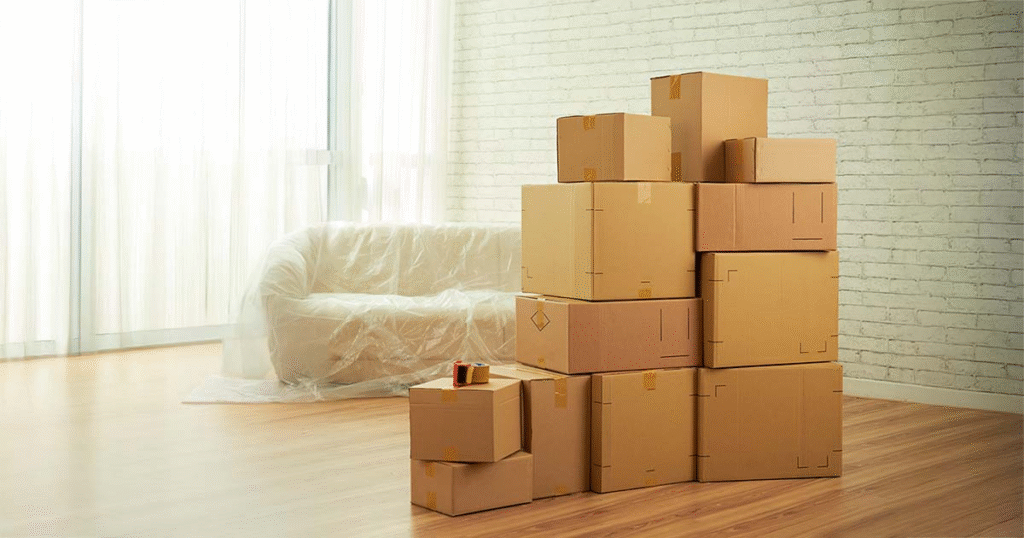
Packing fragile belongings is one of the most challenging aspects of any relocation. Glassware, artwork, electronics, antiques, and sentimental keepsakes require extra attention to ensure they arrive safely at your new home. Taking the right precautions before moving day can significantly reduce the risk of damage and provide peace of mind throughout the journey.
Working with a professional Flyttfirma Malmö can further improve the safety of your delicate possessions. Experienced movers understand the best packing techniques, use quality protective materials, and handle fragile items with the care they deserve, helping you avoid costly accidents during transport.
Gather the Right Packing Supplies
Using high-quality packing materials is the first step in protecting fragile belongings. Cheap or damaged boxes may collapse during transportation, increasing the likelihood of breakage.
Essential packing supplies include:
- Sturdy moving boxes
- Bubble wrap
- Packing paper
- Foam sheets
- Strong packing tape
- Packing peanuts or cushioning material
- Stretch wrap
- Permanent markers for labeling
Investing in proper supplies is far less expensive than replacing damaged valuables.
Wrap Each Item Individually
Never place fragile items directly into a box without protection.
Wrap each piece separately using packing paper or bubble wrap, paying extra attention to corners, handles, and delicate edges. For particularly valuable or delicate belongings, consider using multiple layers of protective material.
Individual wrapping helps prevent items from striking each other during transportation.
Choose the Right Box Size
Avoid placing fragile items in oversized boxes.
Smaller, sturdy boxes provide better support and reduce movement during transit. Heavy fragile items should always be packed in compact boxes that are easier to lift and less likely to break under pressure.
Fill Empty Spaces
Items that shift inside a moving box are more likely to become damaged.
After placing wrapped belongings inside the box, fill all empty spaces with packing paper, foam, bubble wrap, or soft towels. Keeping everything tightly secured minimizes movement while the truck is in transit.
Label Boxes Clearly
Every box containing delicate belongings should be clearly marked.
Use labels such as:
- Fragile
- Handle with Care
- This Side Up
Proper labeling alerts movers to exercise additional caution when lifting and stacking boxes.
Pack Plates and Glassware Correctly
Kitchen items are among the most commonly damaged belongings during a move.
Pack plates vertically rather than stacking them flat, as this reduces pressure and lowers the risk of cracking. Glasses and cups should be individually wrapped and placed upright with sufficient cushioning between each item.
Special dish-pack boxes with internal dividers provide added protection for breakable kitchenware.
Protect Electronics
Electronics require careful preparation before transportation.
Whenever possible:
- Use the original packaging.
- Remove batteries if appropriate.
- Secure loose cables.
- Wrap screens with soft protective material.
- Label cords and accessories for easier setup later.
If the original boxes are unavailable, use sturdy cartons with generous padding on all sides.
Secure Mirrors, Artwork, and Frames
Large mirrors and framed artwork need extra protection because of their size and fragile surfaces.
Wrap them with protective foam or moving blankets and use specially designed mirror or picture boxes whenever possible. Transport these items upright rather than laying them flat.
Avoid Overpacking Boxes
Adding too many fragile items to one box increases weight and pressure, making damage more likely.
Pack boxes to a comfortable weight and avoid stacking heavy objects on top of delicate belongings during loading.
Keep Valuable Items With You
Highly valuable or irreplaceable items should remain in your personal vehicle whenever possible.
Important documents, jewelry, family heirlooms, passports, and small electronics are often safest when transported personally instead of being placed on the moving truck.
Final Thoughts
Protecting fragile items during a move requires careful planning, quality packing materials, and attention to detail. By wrapping each item individually, selecting the right boxes, filling empty spaces, and labeling packages clearly, you can greatly reduce the risk of damage. Combined with the expertise of experienced movers, these simple precautions will help ensure your most delicate belongings arrive safely and securely at your new home.